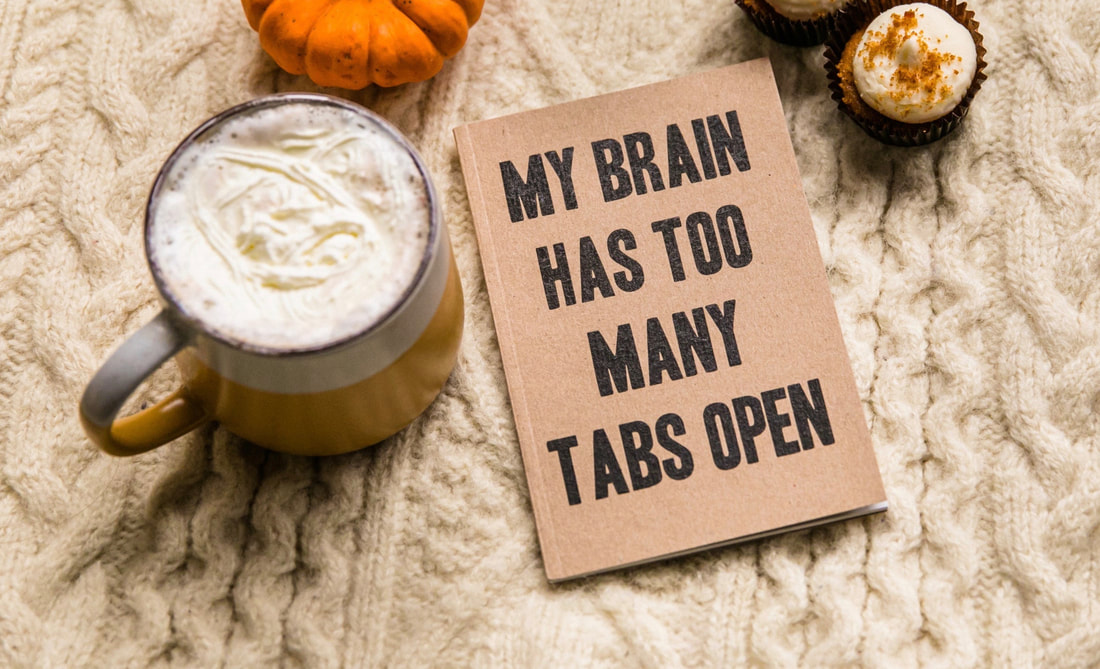
 Image: Lex Melony Unsplash I have some exciting news to share! As many of you know, for the last 3 years, I have been working towards my coaching certification. I recently finished that process and am now a Certified ACC-level Coach through the International Coaching Federation! It's been a long and rewarding journey! With Pick It Up Coaching I am now working with people beyond the realm of organizing. I'm still offering on-site organizing services in a limited capacity to past clients, but the focus of my business has shifted to coaching. Read on for more information on this journey! The Journey from Organizing to Coaching
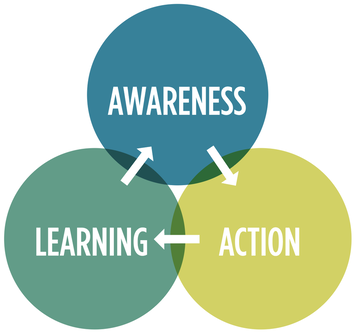
Since 2010, I have been helping people create spaces in their homes and businesses that are functional and beautiful — and it’s been a joy! My clients are amazing and I love supporting them in my role as a professional organizer. However, at some point, I realized that to truly help my clients, we needed to move beyond dealing with just the physical ‘stuff’ in their lives. I saw patterns of behavior that were working against them but I didn’t know how to help. Then came Covid, and for the first time in ages, I had time on my hands. On a whim in 2020, I took an eight-week coaching class designed for professional organizers. It was life-changing! By the end of that class, I knew coaching was in my future. It connected the dots between our mindset and the actions we take and gave me a new framework for working with clients. For the last three years, I have worked toward the goal of becoming a certified coach. This has involved 90+ training hours, 150+ coaching hours, assessments, recorded calls, mentoring, tests and more. In February of 2024, I became an Associate Certified Coach through the International Coaching Federation (ICF). I now incorporate coaching into all the work I do with clients and am amazed at the profound impact it can have on people's lives. I currently split my time between on-site organizing work in San Francisco and coaching work with people all over the world. I genuinely love supporting people in these different ways! Becoming a coach put me on a path that has opened up my world and I’m excited to share some of what I have learned with you. I invite you to explore my upcoming blog posts on my new website Pick It Up Coaching, with the hope that they will open something up for you as well. Coaching is a word we hear a lot today, but what exactly does it mean? Coaching is a partnership between coach and client designed to bring about new awareness and perspective shifts for the client using an Awareness> Action> Learning process.
 In addition to stand-alone coaching, I also integrate coaching into my organizing work. I find this approach helps clients to gain new awareness about their habits and mindset which may be contributing to their organizing overwhelm. A few ways I integrate coaching into organizing work:
If you're ready to take the next step, book a free assessment and figure out how to bring organizing and coaching into your life!  Images from the Who Gives a Crap Instagram account. A client recently told me about Who Gives a Crap — a company that makes sustainable toilet paper and paper towels, delivered to your door, and does it (as you might suspect) with a large dose of humor. Like the company itself, its origin story is both purpose-driven and funny, involving a crowd-funding campaign and one of the founders on a toilet for 50 hours. You can read more here. Who Gives a Crap was founded by three guys who wanted to help the 40% of the world's population that doesn’t have access to a toilet, and the many children who die from poor sanitation as a result. They donate an amazing 50% of their profits to making sure everyone has access to a clean toilet. What’s more, all of their paper products are made from either bamboo or 100% recycled paper, making them super-green! I started ordering toilet paper from Who Gives a Crap a few months ago and now get paper towels, too. Did I mention that there’s no plastic at all in their packaging, and that each roll is wrapped in cute paper? Their Instagram is full of people finding clever ways to reuse the wrappers. In December, the rolls are wrapped in adorable wrapping paper — quite excited for that! If you're ready to ditch traditional paper products (and their associated deforestation) and never have to lug TP back from the store again, give Who Gives a Crap a try and let me know how it goes!   Do you have a goal that you’d like to make a reality in 2022? Maybe you’d like to start a new business, prioritize your health, or clear clutter? Coaching can help — it gets you in touch with your intentions and helps create positive change through awareness and accountability. If you’re new to coaching, learn more here.
This January, you could be one of three people to enjoy the benefits of coaching for free! Enter for your chance to receive two 60-minute coaching sessions — just fill out this entry form by Monday, January 17. I’ll contact the finalists to set up a time to begin coaching. This coaching offer is open to everyone — current clients, past clients, and those who are new to Pick It Up! Please note that these aren’t organizing sessions. I am still offering in-person organizing for San Francisco residents and virtual organizing for clients near and far. Wishing you a wonderful New Year! Erin  Photo by Tim Arterbury on Unsplash. The Four Stages of CompetenceHave you ever developed mastery in a skill or subject and thought “Wow, I can't believe I can do this now”? Whether it’s learning French, martial arts, how to make pots or a new job skill, expertise is an amazing feeling. But how did you get there? In a recent coaching class, I found out. The Four Stages of Competence is a concept developed by Noel Burch at Gordon Training International that’s been around since the ’70s and still rings true — we go through four stages to achieve mastery of a new skill. You may recognize them in your own experience, like I did. Stage 1: Unconscious Incompetence (Ignorance) With any new skill, we usually start in a place of unconscious incompetence. We have little to no knowledge about the skill and are also unconscious of our ignorance. Motto for this stage: You don't know what you don't know. Stage 2: Conscious Incompetence (Awareness) We now have some knowledge about our lack of skill. We are also conscious that there is much we need to learn before mastery is achieved. Stage 3: Conscious Competence (Learning) Through active learning, we now know how to do the desired skill but it requires practice and effort. Stage 4: Unconscious Competence (Mastery) In this stage, the skill is now easy for us to perform and can be done unconsciously and without much effort. 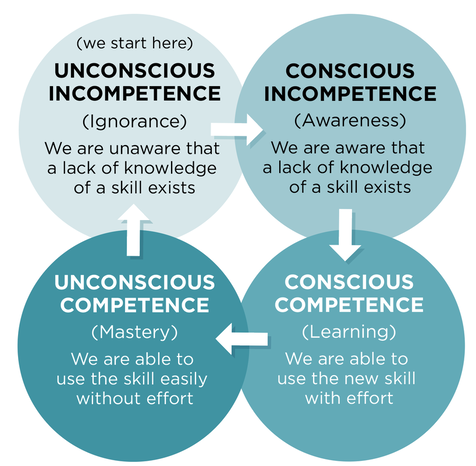 How does it work? Think about learning to drive. We start with having no idea of what’s involved. Then, we take driver's ed and see how much there is to learn. As student drivers, we can drive, but with great effort and attention. As adults, driving becomes second nature. I relate to these four stages of learning in many areas of my life. I love to paint with watercolors, for example, but even after many years, I feel that I am solidly in Stage 2, Conscious Incompetence. I marvel at others’ ability to paint with beauty and ease. How does this concept relate to organizing and the home? Suppose you want to organize your closet, where disorder is a long-standing challenge. The four stages could look like this: Stage 1: You’re aware of the challenge, but not aware that new knowledge and skills may help to address it. Stage 2: You start to understand that there's a knowledge gap and some learning could be helpful. This may come as an aha! moment where you think "No one ever taught me how to do that.” Stage 3: You begin to use your new skills, perhaps letting go of clothing you no longer need, hanging items up, or realizing you need a new plan for your space. Stage 4: Your new skill of keeping your closet organized has now become second nature. When things start to fall apart, you know what to do to get the space back in order. Learning new skills and changing habits is a lifelong journey that may seem daunting at first, but even small changes can yield big results. The first step: Developing awareness of the knowledge gap. That’s where I can help. Coaching and organizing can get you through all four stages, from creating awareness to creating habits that stick. If you’re looking to get started, I hope you’ll reach out!  Looking to spruce up your home with some new furniture? Take a look at The Local Flea. This local company helps people buy and sell easily. You can pick up a pair of accent chairs, a washing machine, or an exercise bike. You can also sell items in good condition that you no longer need. By the way, use the coupon code WELCOME25 at checkout and enjoy a 25% discount on everything in the store! I used The Local Flea several months ago and found the selling process to be very simple and streamlined. The whole process was conducted via text! They have partnered with Remoov (a local donation and disposal service) so if you are looking to let go of something that they can't sell, Remoov can donate it. I feel that The Local Flea is best for larger objects and items in good condition. Stick to Goodwill for smaller stuff and Nextdoor for items that just need to be given away.   Image courtesy of Arno Smit at Unsplash. Spring feels like a good time to tackle an organizing project, but facing that project alone can feel pretty overwhelming. Instead, let's face it together. Not feeling ready to have someone in your house yet? There is a solution! Virtual organizing. What is virtual organizing you ask? These sessions are very similar to the traditional hands-on organizing I have offered for the last 10+ years. In these mini 1-hour sessions, we will meet via Zoom, set our goals for your space, and choose a limited area to dive into. To complete your project, we are working together on a weekly or bi-weekly basis. For local clients, I also offer donation pickup services. For clients looking to take a deeper look at how their habits and perspectives play into their organizing, we can integrate coaching into our work together. For local clients, I also offer donation pickup services. Let's face that project together and create new space in your home and life. Happy Spring!  A few things that have saved my sanity |
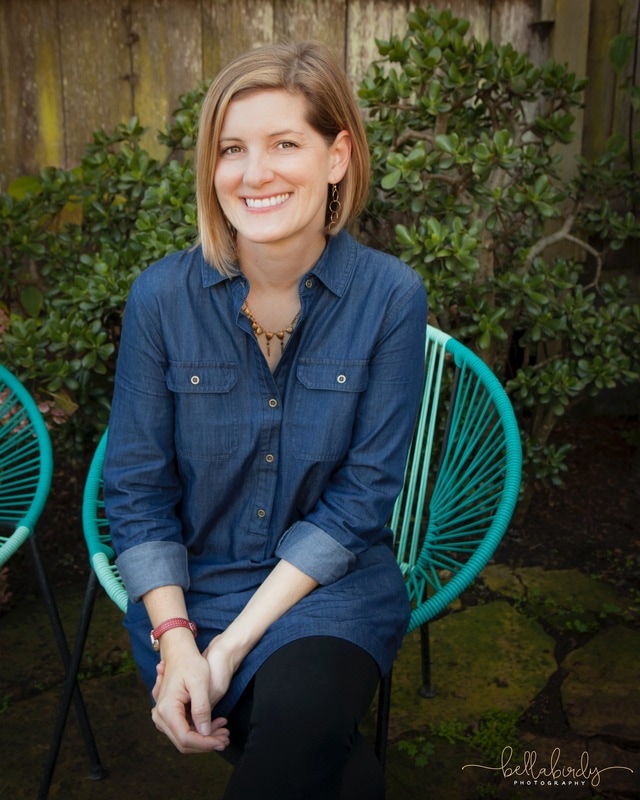
AuthorErin Becker is a 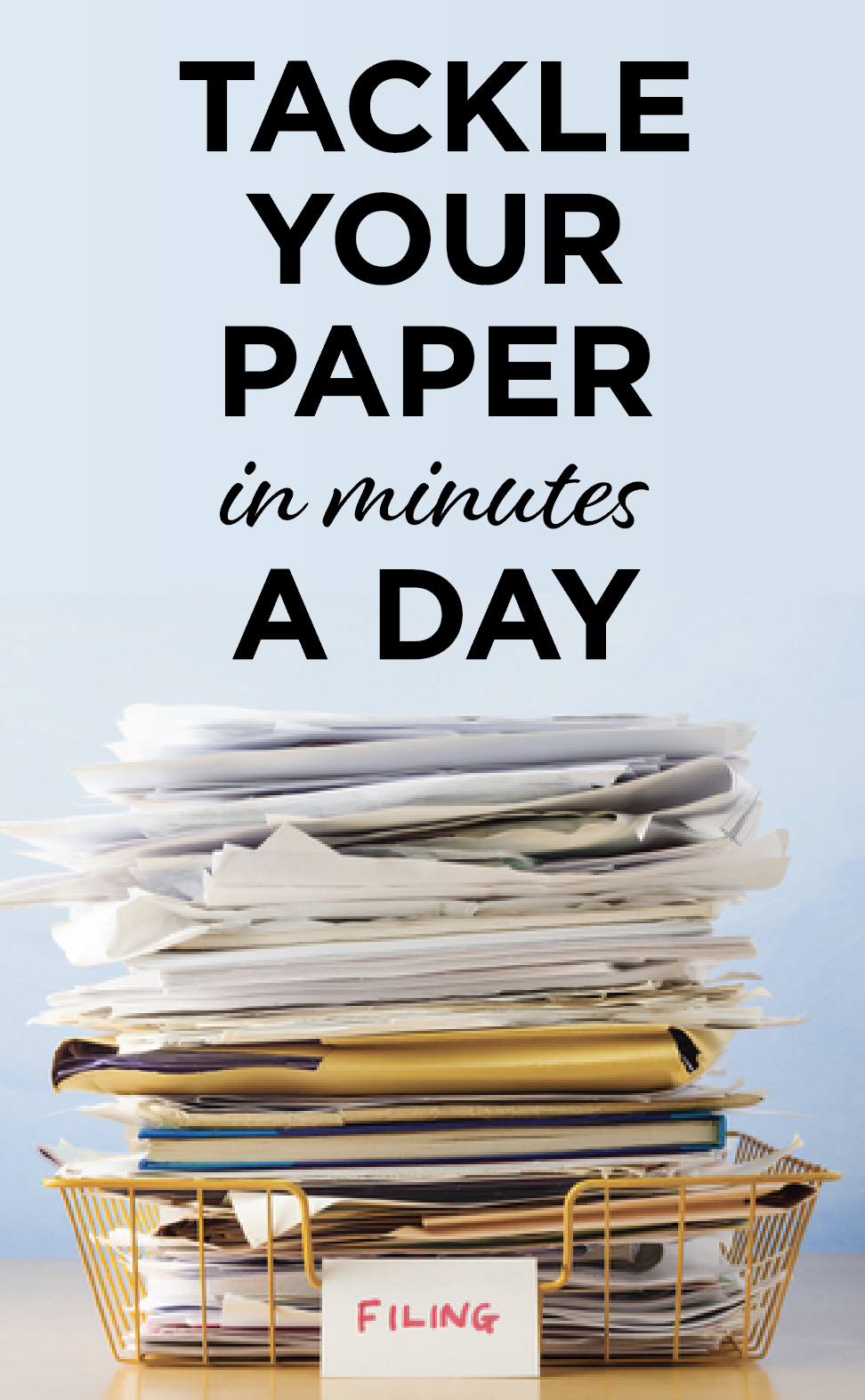
Swimming in paper?
Download the free Quick-Guide to Paper Flow to start taming that pile! 
Having a hard time
getting things done? Subscribe to my new newsletter Find Your Focus! It’s full of useful and practical ways to bridge the gap between knowing and doing to help you reach your goals. Categories
All

|

Pick It Up, organizing and personal coaching • [email protected]
© 2023 Pick It Up, organizing and personal coaching
© 2023 Pick It Up, organizing and personal coaching